
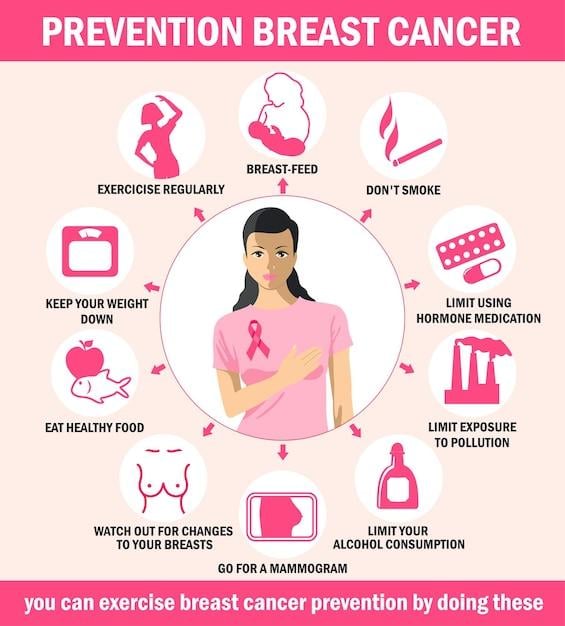
Image Source: FreeImages
In today’s fast-paced world, cancer has become one of the leading causes of death. The good news is that there are steps you can take to reduce your risk and protect your health. This article aims to guide you through lifestyle changes that can significantly lower your chances of developing cancer.
By making small adjustments to your daily routine and habits, you can make a big impact on your overall well-being. Our brand believes in empowering individuals to take control of their health through simple yet effective strategies.
Understanding the Link Between Lifestyle and Cancer
Cancer is a complex disease that can be influenced by various factors, including genetics, environmental exposure, and lifestyle choices. While you cannot change your genetic makeup, you have the power to modify your lifestyle and reduce your risk of developing cancer.
Research has shown that certain lifestyle choices can increase the likelihood of developing cancer. These choices include poor diet, lack of physical activity, tobacco and alcohol use, excessive sun exposure, and exposure to environmental toxins. By understanding the link between lifestyle and cancer, you can make informed decisions to minimize your risk.
The Importance of Prevention in Reducing Cancer Risk
Prevention is always better than cure, especially when it comes to cancer. By taking proactive steps to reduce your risk, you can significantly lower the chances of developing this devastating disease. Prevention involves adopting a healthy lifestyle, making smart choices, and being aware of potential risk factors.
One of the most important aspects of cancer prevention is maintaining a balanced and nutritious diet. A diet rich in fruits, vegetables, whole grains, and lean proteins can provide your body with the essential nutrients it needs to function optimally and fight off cancer cells. Avoiding processed foods, sugary drinks, and excessive red and processed meats is also crucial in reducing cancer risk.
Healthy Eating for Cancer Prevention
A balanced and nutritious diet plays a crucial role in cancer prevention. Consuming a variety of fruits and vegetables provides your body with essential vitamins, minerals, and antioxidants that help protect against the development of cancer. These natural compounds can neutralize harmful free radicals and reduce inflammation, which are key drivers of cancer growth.
Incorporating whole grains, such as brown rice, quinoa, and whole wheat bread, into your diet can also lower your risk of certain types of cancer. These foods are rich in fiber and other beneficial nutrients that promote a healthy digestive system and reduce the likelihood of colorectal cancer.
The Role of Physical Activity in Cancer Prevention
Regular physical activity is not only essential for maintaining a healthy weight and improving cardiovascular health but also plays a significant role in reducing the risk of cancer. Engaging in moderate-intensity activities, such as brisk walking, swimming, or cycling, for at least 150 minutes per week can have a profound impact on your overall well-being.
Physical activity helps regulate hormone levels, boost the immune system, and improve digestion, all of which contribute to a reduced cancer risk. It also helps control weight, as obesity is a known risk factor for many types of cancer. So, make it a priority to incorporate exercise into your daily routine and enjoy the numerous benefits it offers.
Tobacco and Alcohol: Major Cancer Risk Factors to Avoid
Tobacco use and excessive alcohol consumption are two major risk factors for several types of cancer. Smoking is the leading cause of preventable cancer-related deaths worldwide, with lung, throat, and mouth cancers being the most common. Quitting smoking is the single most effective way to reduce the risk of developing these cancers.
Similarly, excessive alcohol consumption is linked to an increased risk of various cancers, including breast, liver, and colorectal cancer. It is important to limit alcohol intake and, for those who choose to drink, do so in moderation. This means no more than one drink per day for women and two drinks per day for men.
Sun Safety and the Prevention of Skin Cancer
Excessive sun exposure is a major risk factor for skin cancer, which is the most common type of cancer worldwide. Protecting your skin from harmful UV radiation is essential in reducing your risk of developing skin cancer. Here are some sun safety tips to keep in mind:
Seek shade during the peak hours of the day when the sun’s rays are the strongest.
Wear protective clothing, such as long sleeves, hats, and sunglasses, to shield your skin and eyes from the sun.
Apply sunscreen with a high SPF regularly, even on cloudy days.
Avoid using tanning beds, as they emit harmful UV radiation that can damage your skin and increase the risk of skin cancer.
Environmental Factors and Their Impact on Cancer Risk
In addition to lifestyle choices, environmental factors can also influence your risk of developing cancer. Exposure to certain chemicals, pollutants, and toxins, both at home and in the workplace, can increase the likelihood of cancer. It is important to be aware of potential environmental hazards and take necessary precautions to minimize exposure.
For instance, limit your use of chemical-based household cleaners, opt for natural alternatives whenever possible, and ensure proper ventilation in your living spaces. If you work in an industry that involves exposure to hazardous substances, follow safety guidelines, wear protective equipment, and undergo regular medical check-ups to detect any signs of cancer early on.
Stress Management and Its Effect on Cancer Prevention
Chronic stress can take a toll on your physical and mental well-being, and it may also impact your risk of developing cancer. Studies have shown that prolonged stress can weaken the immune system, impair DNA repair mechanisms, and promote inflammation, all of which can contribute to the development and progression of cancer.
Finding healthy ways to manage stress is crucial in cancer prevention. Engage in activities that help you relax and unwind, such as yoga, meditation, deep breathing exercises, or hobbies that bring you joy. Prioritize self-care, maintain a healthy work-life balance, and seek support from loved ones or professionals if needed.
Regular Screenings and Early Detection for Cancer Prevention
While lifestyle changes can significantly reduce your risk of cancer, regular screenings and early detection are equally important for prevention. Screenings can detect cancer in its early stages when it is most treatable and increase the chances of successful outcomes.
Make sure to schedule regular check-ups with your healthcare provider and discuss the appropriate screenings for your age, gender, and family history. Common screenings include mammograms for breast cancer, Pap tests for cervical cancer, colonoscopies for colorectal cancer, and skin cancer screenings. By detecting cancer early, you can take prompt action and increase the likelihood of successful treatment.
Conclusion: Taking Small Steps Towards a Cancer-Free Lifestyle
Preventing cancer requires a proactive approach and a commitment to making small but impactful lifestyle changes. By adopting a balanced and nutritious diet, engaging in regular physical activity, avoiding tobacco and excessive alcohol consumption, protecting your skin from sun damage, minimizing exposure to environmental toxins, managing stress, and undergoing regular screenings, you can significantly reduce your risk of developing cancer.
Remember that prevention is always better than cure, and your health should be a top priority. By taking these small steps towards a cancer-free lifestyle, you are empowering yourself to live a longer, healthier, and happier life. Embrace the power of prevention and make the necessary changes today. Your future self will thank you.
References
American Cancer Society. (2021). Cancer Prevention & Early Detection Facts & Figures 2021-2022. Retrieved from https://www.cancer.org https://www.cancer.org/latest-news/facts-and-figures-2021.html
World Health Organization. (2022). Cancer. Retrieved from https://www.who.int https://www.who.int/news-room/fact-sheets/detail/cancer
National Cancer Institute. (2022). Cancer Prevention. Retrieved from https://www.cancer.gov https://www.cancer.gov/about-cancer/causes-prevention
American Institute for Cancer Research. (2022). Diet and Cancer Prevention. Retrieved from https://www.aicr.org https://www.aicr.org/cancer-prevention/food-facts/diet-and-cancer-prevention/
Centers for Disease Control and Prevention. (2022). Physical Activity and Cancer. Retrieved from https://www.cdc.gov https://www.cdc.gov/cancer/dcpc/prevention/policies_practices/physical_activity/index.htm
National Institute on Alcohol Abuse and Alcoholism. (2022). Alcohol and Cancer Risk. Retrieved from https://www.niaaa.nih.gov https://www.niaaa.nih.gov/publications/brochures-and-fact-sheets/alcohol-and-cancer
National Cancer Institute. (2022). Sun Safety. Retrieved from https://www.cancer.gov https://www.cancer.gov/rare-diseases/sun-safety
American Cancer Society. (2022). Environmental Causes of Cancer. Retrieved from https://www.cancer.org https://www.cancer.org/cancer/cancer-causes/general-info/environmental-causes.html
National Comprehensive Cancer Network. (2022). Distress Management. Retrieved from https://www.nccn.org https://www.nccn.org/patients/resources/life_with_cancer/managing_symptoms/distress_management.aspx
American Cancer Society. (2022). Cancer Screening Guidelines. Retrieved from https://www.cancer.org https://www.cancer.org/healthy/find-cancer-early/cancer-screening-guidelines.html